
Gluteus Minimus Exercises at Home: 4 Moves for Deeper Side-Hip Control
By Zephyr · Published Jul 09, 2026
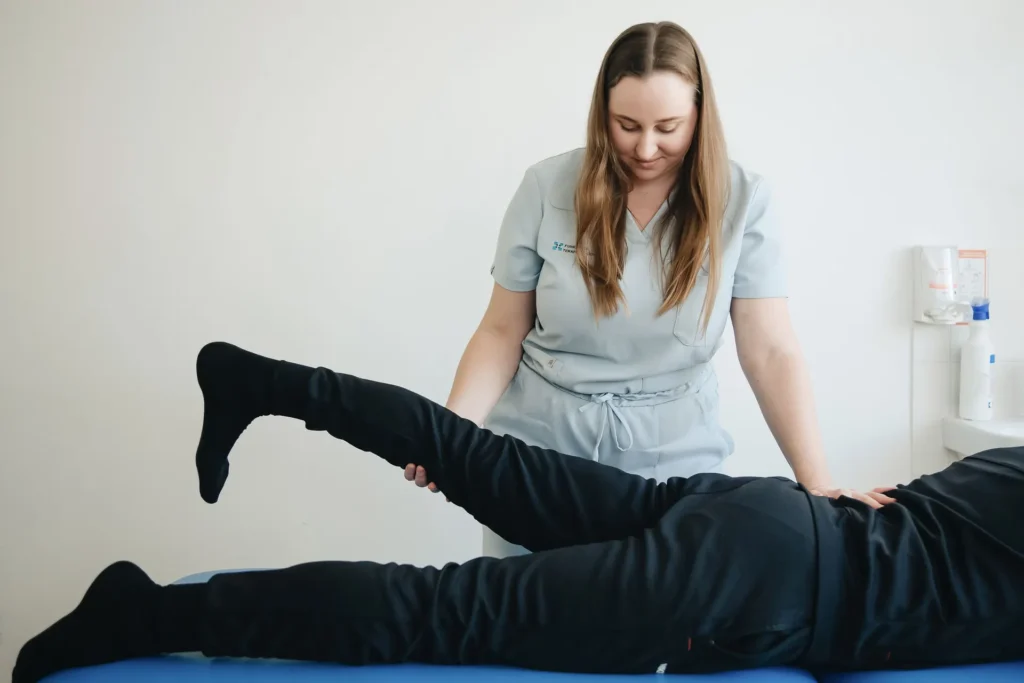
The best gluteus minimus exercises are small, controlled side-hip movements that help you feel deeper work without rolling your pelvis or turning every rep into a TFL drill. This routine uses sidelying hip abduction with internal rotation, side-lying hip circles, prone hip abduction, and a supported hip airplane.
Gluteus minimus training is easy to misunderstand because the muscle is small, deep, and closely tied to the gluteus medius. You cannot isolate it perfectly the way you might isolate a biceps curl. But you can choose better angles, smaller ranges, and cleaner pelvic control so the side of your hip gets a clearer training signal.
That is the line I would keep clear here: these are not random side glute exercises for burning out your hips. They are gluteus minimus exercises at home for building quieter, deeper side-hip control. If you want to place this work inside the rest of your lower-body week, use it alongside a complete home glute routine that combines all three movement tasks, not as a replacement for full leg training.
This is also not a pain-rehab plan or a promise to change hip dips. The goal is better control, better awareness, and a simple routine you can repeat.
Quick Summary
- Gluteus minimus exercises should feel small, controlled, and deep in the side hip.
- You cannot fully isolate the gluteus minimus, but you can bias the area with better angles and cleaner control.
- Smaller range usually works better than higher leg lifts.
- If your TFL, hip flexor, or lower back takes over, reduce the range before adding resistance.
- This gluteus minimus workout moves from side-lying control to prone control, then standing hip rotation.
- Bands, bodyweight, and light ankle weights are enough; machines are optional, not required.
What Are the Best Gluteus Minimus Exercises at Home?
The best gluteus minimus exercises are not the biggest or hardest side-hip moves. They are the ones you can perform without your pelvis rolling, your lower back tightening, or the front of your hip taking over.
The gluteus minimus sits deep under the gluteus medius, so many exercises that train one will also involve the other. A hip-abductor anatomy review describes the gluteus medius, gluteus minimus, and TFL as related muscles around hip abduction and pelvic control, which is why this article does not promise perfect isolation. You can read the hip abductor anatomy review.
The useful distinction for this article is not “perfect isolation.” It is whether the movement gives your deeper side hip a clean signal without turning every rep into a bigger, looser side-leg raise.
That is why this routine avoids the usual repeated list of clamshells, lateral band walks, and hip hitches. Those can be useful, but they fit better in a wider side-hip control routine. For this gluteus minimus focus, I would rather use smaller-range movements that make the pelvis stay quiet: internal-rotation abduction, hip circles, prone abduction, and supported hip airplanes.
Hip thrusts, bridges, RDLs, and split squats are also valuable lower-body movements, but they belong more to heavier hip-extension work and full glute training. This article stays narrower: deeper side-hip control, smaller ranges, and better awareness around the side of the pelvis.
4 Gluteus Minimus Exercises for Deeper Side-Hip Control
1. Sidelying Hip Abduction with Internal Rotation
Video: Boulder Sports Clinic
Main Muscles Worked:
Gluteus minimus, gluteus medius
Role in the Workout:
Use this first to find the side-hip line before the harder drills. The slight inward turn of the top leg helps keep the movement small and controlled, so the work stays closer to the deep side glutes instead of shifting into the front of the hip.
A fine-wire EMG study found that adding hip rotation to therapeutic hip exercises can change gluteus medius and gluteus minimus segment activity. That supports using the slight internal-rotation cue here as a control strategy, not as a claim that this move isolates one muscle perfectly. You can read the hip rotation EMG study.
How to Do It:
- Lie on your side with your bottom knee slightly bent and your top leg straight.
- Stack your top hip directly over your bottom hip.
- Turn the toes of your top foot slightly toward the floor.
- Lift the top leg a short distance without rolling your pelvis backward.
- Pause briefly, then lower with control.
How It Should Feel:
You should feel the side of your hip working, slightly deep and behind the front of the hip. You should not feel most of the work in your TFL, lower back, or hip flexor.
Practical Tip:
Keep the range smaller than you think. Once your pelvis rolls back, the exercise stops being a clean side-hip drill.
Troubleshooting:
If the front of your hip lights up first, lower the leg height, keep the toes slightly down, and slow the lowering phase.
2. Side-Lying Hip Circles
Video: Exercise Physiology Brisbane
Main Muscles Worked:
Gluteus minimus, gluteus medius
Role in the Workout:
This drill teaches your side glutes to stay active through a small moving range, not just during a straight up-and-down leg raise. It is useful when regular side raises feel easy, but your hip still loses control during more dynamic movements.
A study measuring gluteus minimus and gluteus medius activity during common rehabilitation exercises found high activity in hip-control tasks such as hip hitch variations. This does not mean hip circles were tested directly, but it supports the broader point that small, controlled side-hip movements can train these muscles when the pelvis stays still. You can read the gluteus minimus and medius activity study.
How to Do It:
- Lie on your side with your top leg straight and your hips stacked.
- Lift the top leg to a height you can control.
- Draw small circles with the top leg.
- Keep the circles slow and tight.
- Finish one direction, then reverse the circles before switching sides.
How It Should Feel:
You should feel a steady burn along the side of the hip, especially slightly behind the front hip bone. Your waist, low back, and front hip should stay quiet.
Practical Tip:
Small circles work better than big ones. Bigger circles usually make the pelvis move and pull the tension away from the side glutes.
Troubleshooting:
If your lower back starts working, place your top hand on your pelvis and make the circle smaller until your hips stay still.
3. Prone Hip Abduction
Video: NorCal Physiotherapy
Main Muscles Worked:
Gluteus minimus, gluteus medius
Role in the Workout:
This move trains the side hip from a face-down position, which gives you a different way to feel abduction without repeating another side-lying drill. It also helps you notice whether your pelvis stays quiet when one leg moves away from the body.
Research on prone hip extension found that changing the hip-abduction angle altered glute and hamstring activity during the movement. That does not make prone hip abduction a pure gluteus minimus isolation drill, but it supports the coaching point here: use a small lift, a small outward sweep, and quiet hips instead of turning the exercise into a high leg swing. You can read the prone hip-extension position study.
How to Do It:
- Lie face down with both legs straight and your forearms or hands relaxed on the floor.
- Keep your hips heavy against the floor.
- Lift one leg slightly back and upward.
- From that lifted position, move the leg slightly out to the side.
- Keep the knee straight and avoid twisting your pelvis.
- Bring the leg back to center, then lower it with control.
- Finish all reps on one side, then switch to the other side.
How It Should Feel:
You should feel the outside of the working hip, not your low back, inner thigh, or the front of the hip.
Practical Tip:
The leg does not need to travel far. A small lift and a small outward sweep are enough if your pelvis stays still.
Troubleshooting:
If your hips lift or rotate, reduce the range and press both hip bones gently toward the floor before each rep.
4. Supported Hip Airplane
Video: Ken Whittier
Main Muscles Worked:
Gluteus minimus, gluteus medius
Role in the Workout:
Use this last to bring the side-hip work into a standing position. It challenges your gluteus minimus and gluteus medius to help control the pelvis while your hip rotates, which is closer to what happens during walking, lunges, and single-leg training.
A study on a modified hip airplane found higher gluteus medius-to-TFL activation compared with several traditional gluteal exercises. It does not prove gluteus minimus isolation, but it supports the idea that controlled hip-airplane work can be useful when the goal is standing side-hip control rather than just lying down and lifting the leg. You can read the hip airplane activation study.
How to Do It:
- Stand near a wall, rack, or stable support.
- Shift your weight onto one leg and keep a soft bend in that knee.
- Hinge slightly from your hip while keeping your back long.
- Slowly open your pelvis away from the standing leg.
- Rotate back toward the starting position without letting the knee cave inward.
- Complete the reps on one side, then switch sides.
How It Should Feel:
You should feel the outside of the standing hip working to keep your pelvis steady. You should not feel like your ankle, lower back, or knee is doing most of the work.
Practical Tip:
Use the support. The goal is not to prove your balance; it is to control hip rotation without losing the side-hip tension. If one side feels less steady, keep the same range and reps on both sides instead of forcing the weaker side to match with momentum.
Troubleshooting:
If you keep tipping over, use both hands on the support and make the rotation smaller. Build control first, then reduce support later.
18-Minute Gluteus Minimus Workout at Home Routine
Two-Minute Preparation
- Hip circles: 30 seconds each direction
- Bodyweight sidelying hip abduction: 8 slow reps each side
- Glute bridges: 10 controlled reps
- Easy standing hip shifts: 20 seconds each side
Main Workout
| Exercise | Sets | Reps / Time | Rest |
|---|---|---|---|
| Sidelying Hip Abduction with Internal Rotation | 2–3 | 10–15 each side | 30–45 sec |
| Side-Lying Hip Circles | 2–3 | 6–10 circles each direction / side | 30–45 sec |
| Prone Hip Abduction | 2–3 | 8–12 each side | 30–45 sec |
| Supported Hip Airplane | 2–3 | 4–6 slow reps each side | 45–60 sec |
How to Use This Routine
Use this gluteus minimus workout 2–3 times per week. It works well before lower-body training as a control primer, or after training as low-fatigue accessory work.
Keep every rep smaller and slower than you want to. If the front of your hip, lower back, or TFL takes over, reduce the range first. Add resistance only after the movement feels clean.
If you also need a broader beginner session, place this routine after simple floor-and-standing leg work instead of turning this small-muscle routine into your whole leg day.
Safety Tips: Keep the movement small and pain-free. If you feel sharp side-hip pain, numbness, symptoms after hip surgery, or pain that gets worse as the set continues, stop the exercise and get guidance from a qualified professional. This routine is for general strength and control training, not injury rehab.
Common Mistakes
1. Using Too Much Range
The gluteus minimus does not need a huge leg lift to work. If you chase height, your pelvis will usually roll and the tension will move away from the deeper side hip.
Keep the range small enough that your pelvis stays still.
2. Rolling the Pelvis Back
This is common in sidelying abduction and hip circles. Once the pelvis rolls backward, the movement becomes easier, but less precise.
Stack your hips and imagine the top hip staying directly over the bottom hip.
3. Letting the TFL Take Over
If the front outside of your hip burns more than the side of your glute, your range, angle, or resistance may be too aggressive.
Start with less height, slower reps, and a quieter pelvis.
4. Turning Hip Airplanes Into a Balance Test
Supported hip airplanes are not supposed to be a balance challenge first. If you wobble through every rep, the side hip does not get a clear job.
Use the wall. Make the rotation smaller. Own the position before you make it harder.
5. Expecting One Small Muscle to Change Hip Shape Alone
Gluteus minimus exercises can train side-hip control and muscle participation, but they cannot promise to change bone structure or fat distribution. Treat them as training work, not an appearance guarantee.
Progression Tips
Sidelying Hip Abduction with Internal Rotation
Add a longer pause at the top before adding ankle weight or a light band.Side-Lying Hip Circles
Make each circle slower before increasing the number of circles.Prone Hip Abduction
Keep both hip bones heavy on the floor, then add a brief top pause once the pelvis stays quiet.Supported Hip Airplane
Start with both hands on support. Progress to one hand, then lighter support. Do not rush into unsupported reps if control disappears.
Gluteus minimus activation is useful, but activation is not the finish line. The real progression is cleaner control, better position, and a side hip that can keep working when the movement becomes more demanding.
If side-hip pain, numbness, or post-surgical symptoms are present, treat this as general training content and get medical guidance before loading the area.
Frequently Asked Questions
Can you isolate the gluteus minimus?
Not completely. The gluteus minimus works closely with the gluteus medius and other hip muscles. You can still bias the area with smaller ranges, controlled angles, and steady pelvic position.
What exercise works the gluteus minimus?
Sidelying hip abduction with internal rotation, side-lying hip circles, prone hip abduction, and supported hip airplanes are useful options because they train side-hip control without relying on heavy machines.
Why do I feel gluteus minimus exercises in my TFL?
Your range may be too large, your pelvis may be rolling, or the resistance may be too high. Reduce the height, slow the rep, and keep the movement smaller.
Are gluteus minimus and gluteus medius exercises the same?
They overlap, but they are not exactly the same. The gluteus medius is often the broader side-hip stabilizer, while this routine uses smaller, more controlled drills to emphasize deeper side-hip work.
Can gluteus minimus exercises change hip dips?
They can train muscle and control around the side hip, but they cannot promise to change hip dips. Bone structure and fat distribution also affect that area.
How often should I train the gluteus minimus?
Two to three times per week is enough for most people. Keep the work controlled and low-fatigue, especially if you also train legs or glutes heavily.
Can I do gluteus minimus exercises at home without a machine?
Yes. Bodyweight drills, a light band, and optional ankle weights are enough to build control. A machine can add resistance, but it is not required.
Conclusion
Gluteus minimus training works best when the movement gets smaller, not louder. If you use huge ranges or rush through side-glute reps, the deeper side hip often loses the signal.
In your next session, adjust only one variable: make the range smaller, slow the lowering, pause at the top, or use more support on the hip airplane. The goal is not to feel everything at once. It is to make the side hip work clearly enough that you can repeat it and progress it.
Medical disclaimer: This article is intended for educational and informational purposes only. It is not intended as a substitute for medical advice. For health advice, contact a licensed healthcare provider.