
Gluteus Medius Exercises at Home: Stop Letting TFL Take Over
By Zephyr · Published Jul 08, 2026
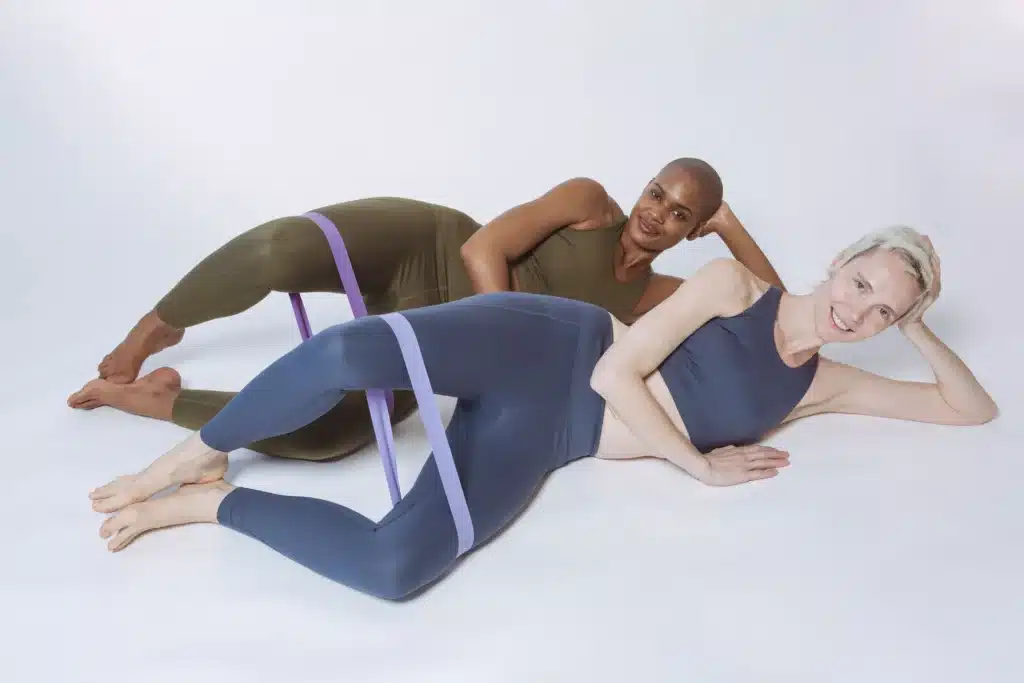
Gluteus medius exercises should not feel like your hip flexors, lower back, or quads are doing all the work. The goal is not to collect more side glute exercises. It is to make the side of your hip control the movement clearly enough that you can repeat it, progress it, and carry it into standing and single-leg work.
The best gluteus medius exercises at home train hip abduction, side-glute control, and pelvic stability without letting the TFL or lower back take over. A simple routine can include side-lying hip abduction, banded clamshells, lateral band walks, and hip hitches.
When people search for side glute exercises, they are usually trying to train the gluteus medius area: the side-hip muscles that help your pelvis stay level and your leg move outward with control. This article focuses on that training role. It does not promise to erase hip dips or change your bone structure.
You do not need a hip abduction machine for this routine. A band, floor space, and a step are enough when the range stays controlled.
Use these drills as a focused side-hip layer inside the broader beginner glute routine covering extension, lateral control and stability, not as a full leg day by themselves.
Quick Summary
- Gluteus medius training should feel like side-hip control, not front-hip tension.
- This routine uses four movements: side-lying hip abduction, banded clamshells, lateral band walks, and hip hitches.
- If your TFL takes over, reduce the range before adding band tension.
- Side glute exercises work best when your pelvis stays quiet.
- Feeling the muscle is useful feedback, but the routine still needs controlled reps, consistent frequency, and gradual progression.
- Use this gluteus medius workout 2–3 times per week as low-fatigue accessory work.
What Are the Best Gluteus Medius Exercises at Home?
The best gluteus medius exercises are not always the ones that burn the most. Here, “best” means the movement helps you feel the side glute, control hip abduction, and keep your pelvis from drifting or dropping.
That matters because many people do the right-looking exercises with the wrong muscles. A clamshell can become a lower-back twist. A lateral band walk can become a quad drill. A side-lying leg raise can turn into TFL work if the leg drifts forward.
The TFL can assist hip abduction, but if it becomes the main sensation in every rep, the exercise is no longer doing the job this routine is trying to train.
A small hip-abduction pilot study comparing gluteus medius, TFL, and quadratus lumborum timing found that side-lying hip abduction recruited the gluteus medius earlier than the TFL and QL in the tested positions. That supports using a controlled side-lying drill early in the routine, without claiming it is the only exercise you need. You can read the side-lying hip-abduction study.
This routine uses four different jobs:
- Side-Lying Hip Abduction: feel the side glute without too many moving parts.
- Banded Clamshell: train bent-knee hip control without rolling the pelvis.
- Lateral Band Walk: bring side-glute control into standing movement.
- Hip Hitch: train the gluteus medius to help control pelvic position on one leg.
If your goal is stronger hip extension, bridges, thrusts, or hinge strength, that belongs better in separate hip-extension work.
4 Gluteus Medius Exercises for Side-Glute Control
1. Side-Lying Hip Abduction
Video: [P]rehab
Main Muscles Worked:
Gluteus medius
Role in the Workout:
This is the cleanest starting point for feeling the side glute without turning the exercise into a squat, lunge, or full-leg movement. Use it to learn where the gluteus medius should work before moving into standing drills.
How to Do It:
- Lie on your side with your bottom knee slightly bent and your top leg straight.
- Keep your hips stacked instead of rolling your top hip backward.
- Place the top leg slightly behind your body, not forward toward your hip flexors.
- Lift the top leg a small distance until you feel the side of your hip working.
- Lower slowly without letting your pelvis roll or your foot swing forward.
How It Should Feel:
You should feel the side of your upper hip working, not the front of your hip, lower back, or outer thigh taking over.
Practical Tip:
Keep the lift smaller than you think. If the leg swings high or forward, the TFL usually starts doing more of the work.
Troubleshooting:
If you feel it mostly in the front of your hip, move the top leg slightly farther back, reduce the range, and keep your pelvis stacked.
2. Banded Clamshell
Video: Rehab My Patient
Main Muscles Worked:
Gluteus medius
Role in the Workout:
This trains the side glute in a bent-knee position, which makes it useful for learning hip control without needing a big range of motion. It should feel controlled and precise, not like you are twisting your whole body open.
Research comparing side-lying hip-strengthening drills found that clamshell-style work can involve more anterior hip-flexor activity than people expect, which is why this article treats the clamshell as a controlled drill, not a magic side-glute switch. You can read the side-lying hip exercise study.
How to Do It:
- Lie on your side with your knees bent and a light band around your thighs, just above the knees.
- Stack your hips and keep your feet together.
- Brace lightly so your pelvis does not roll backward.
- Open the top knee only as far as you can without rotating your torso.
- Pause briefly, then lower the knee with control.
How It Should Feel:
You should feel the side glute near the back and outside of the hip, not your lower back twisting or the front of your hip gripping.
Practical Tip:
Use a lighter band if you cannot keep your hips stacked. A heavy band can make the movement look harder while making the target muscle harder to feel.
Troubleshooting:
If clamshells feel useless, reduce the range and slow the lowering phase. The goal is not to open the knee as wide as possible.
3. Lateral Band Walk
Video: Ohio State Wexner Medical Center
Main Muscles Worked:
Gluteus medius
Role in the Workout:
This brings the side-glute work into a standing pattern. It helps you practice keeping your knees, hips, and pelvis controlled while moving side to side.
A resisted lateral band-walking study found greater gluteus medius and gluteus maximus activation on the stance limb than the moving limb. That fits the coaching point here: the goal is not just to swing the stepping leg out, but to keep the stance hip steady. You can read the lateral band-walking study.
How to Do It:
- Place a resistance band around your thighs or ankles depending on your current control level.
- Stand with your feet about hip-width apart and soften your knees.
- Keep your toes mostly forward and your pelvis level.
- Step sideways with control, then bring the other foot in without letting the band go slack.
- Take small, steady steps instead of reaching as far as possible.
How It Should Feel:
You should feel both side glutes working, especially the outside of the hips, without your knees collapsing inward or your lower back swaying.
Practical Tip:
Small steps usually work better than wide steps. If your feet turn out or your hips sway, the step is too big.
Troubleshooting:
If your thighs or hip flexors take over, move the band higher on the legs and slow the pace.
4. Hip Hitch
Video: The Thornbury Clinic
Main Muscles Worked:
Gluteus medius
Role in the Workout:
This teaches the gluteus medius to control pelvic position on one leg, which is especially useful if one hip drops during walking, lunges, or single-leg work. A study measuring gluteus medius and gluteus minimus activity during common hip exercises included hip hitch variations and found high gluteal activity during those tasks. That supports using this as the standing control drill in the routine, without claiming it replaces every other gluteus medius exercise. You can read the hip hitch muscle-activity study.
How to Do It:
- Stand sideways on a step or sturdy platform with one foot on the edge and the other leg hanging free.
- Keep the standing knee soft and your torso tall.
- Let the free-side hip lower slightly without bending through your waist.
- Use the standing-side hip to lift the pelvis back to level.
- Move slowly and keep the motion small and controlled.
How It Should Feel:
You should feel the side of the standing hip working to lift and control the pelvis, not your lower back hiking your body upward.
Practical Tip:
Think of moving the pelvis, not swinging the leg. The free leg is just along for the ride.
Troubleshooting:
If you feel your lower back doing the work, make the range smaller and keep your ribs stacked over your pelvis.
20-Minute Gluteus Medius Workout at Home Routine
Two-Minute Preparation
- Hip circles: 30 seconds each direction
- Bodyweight side-lying hip abduction: 8 slow reps each side
- Glute bridges: 10 controlled reps
- Easy lateral steps without a band: 20 seconds each direction
Main Workout
| Exercise | Sets | Reps / Time | Rest |
|---|---|---|---|
| Side-Lying Hip Abduction | 2–3 | 10–15 each side | 45 sec |
| Banded Clamshell | 2–3 | 10–15 each side | 45 sec |
| Lateral Band Walk | 2–3 | 8–12 steps each direction | 45–60 sec |
| Hip Hitch | 2–3 | 8–12 each side | 45–60 sec |
How to Use This Routine
Use this gluteus medius workout 2–3 times per week. It works well before a lower-body session as light activation, or after training as low-fatigue accessory work.
Start with the weaker side first. Match the same reps on the stronger side instead of adding extra weight right away.
If your TFL, lower back, quads, or ankles take over, do not make the exercise harder yet. First reduce the range, slow the tempo, or use a lighter band.
If you want this inside a complete leg session rather than a short side-hip routine, pair it later with a simple bodyweight leg workout instead of turning this article into a full lower-body day.
Safety Tips: This routine is for general strength and side-hip control. If you have sharp hip pain, recent surgery, a diagnosed tendon injury, numbness, or symptoms that worsen as you train, stop and speak with a qualified professional.
Common Mistakes With Gluteus Medius Exercises
Letting TFL Take Over
If every side-glute exercise feels like front-hip tension, your leg may be drifting too far forward or your range may be too big. Move smaller and keep the working leg slightly behind the body during side-lying abduction.
Rolling the Pelvis During Clamshells
A clamshell is not a full-body rotation. If your top hip rolls backward, your gluteus medius does not have to control the movement cleanly. Stack your hips and open the knee only as far as you can control.
Taking Steps Too Wide During Band Walks
Big steps often turn lateral band walks into a messy thigh and ankle drill. Smaller steps make it easier to keep tension in the side glutes and keep the knees tracking cleanly.
Turning Hip Hitch Into a Lower-Back Move
The hip hitch should move the pelvis, not your whole torso. If your ribs sway side to side, reduce the range and make the motion slower. If your goal is direct trunk or back strength, keep that as separate lower-back strength work rather than forcing it into this side-glute routine.
Chasing Burn Instead of Control
A strong burn does not always mean the right muscle is doing the work. I would rather see a smaller, cleaner rep that stays in the side hip than a big rep that gets stolen by the hip flexors or lower back.
Training Only Clamshells
Clamshells can help, but they do not cover everything. You still need standing control and pelvic stability if you want the gluteus medius to carry over into lunges, step-ups, walking, or single-leg work.
Progression Tips
Side-Lying Hip Abduction
Add a longer top pause before adding ankle weight. If you lose the side-glute feeling, remove the load.Banded Clamshell
Use a stronger band only after your hips stay stacked through every rep. Band tension is not progress if your pelvis rolls.Lateral Band Walk
Progress by slowing the steps, lowering the band position, or adding more controlled steps each direction.Hip Hitch
Start with a small range. Progress with slower lowering, a slightly higher step, or a light load only if the pelvis stays controlled.
The progression I would use first is control, not resistance. If the side glute disappears and the front hip takes over, the progression is too aggressive.
Frequently Asked Questions
What exercises hit the gluteus medius?
Side-lying hip abduction, banded clamshells, lateral band walks, hip hitches, standing hip abduction, and lateral step-downs can all train the gluteus medius. If you see these called glute med exercises, they are usually referring to the same side-hip training goal. This routine uses four of those patterns so you can train side-glute control without needing a machine.
Why can’t I feel my gluteus medius working?
You may be using too much range, too much band tension, or letting your pelvis move instead of your hip. Reduce the range and slow the rep until the side of your hip starts doing the work.
How do I stop TFL from taking over gluteus medius exercises?
Keep the working leg slightly behind the body during side-lying abduction, avoid huge steps during lateral walks, and use a lighter band for clamshells. If you feel the front of the hip more than the side hip, the exercise is probably too big or too heavy.
Are clamshells enough for the gluteus medius?
Clamshells are useful, but they are not enough by themselves. They train bent-knee control, but you still need hip abduction, standing side steps, and pelvic-control work.
How often should I train the gluteus medius?
For most home training plans, 2–3 times per week is enough. Keep the work low-fatigue so it improves control instead of making your hips tired before your main lower-body training.
What is the difference between gluteus medius and gluteus minimus exercises?
They often work together during hip abduction and side-hip control. This article focuses on the gluteus medius because it is the larger and more commonly targeted muscle for side-glute training and pelvic stability.
Can side glute exercises change hip shape?
They can strengthen the muscles around the outer hip, but they cannot guarantee a specific body shape. Bone structure, fat distribution, and total muscle development all affect how the area looks.
Conclusion
The goal is not to collect more side glute exercises. It is to make the gluteus medius easier to feel, control, and progress without your TFL or lower back taking over.
In your next session, adjust only one variable: range, band tension, step size, or top-position pause. If the side glute stays clear and your front hip stays quiet, you are moving in the right direction.
Medical disclaimer: This article is intended for educational and informational purposes only. It is not intended as a substitute for medical advice. For health advice, contact a licensed healthcare provider.