
Beginner Calisthenics Back Workout at Home: 7 No-Equipment Exercises
By Zephyr · Published May 15, 2026
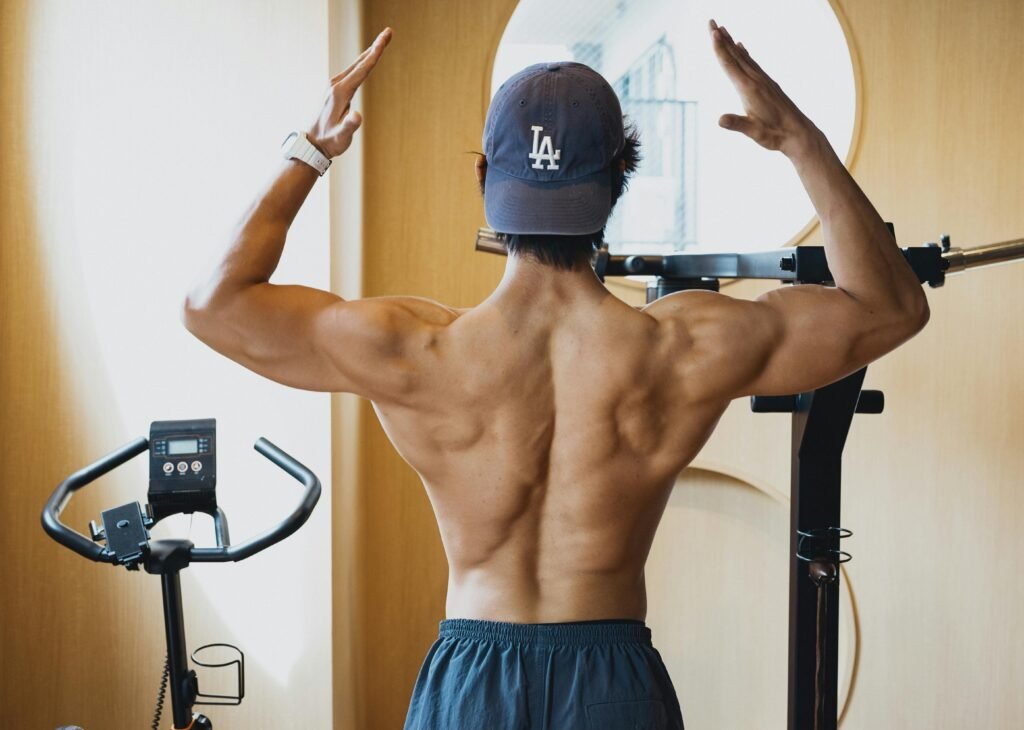
Building a stronger back doesn’t always require a gym membership or heavy weights. This beginner calisthenics back workout at home is designed for people who want to improve posture, build foundational strength, and train consistently using only bodyweight movements.
Many beginners assume back training is impossible without pull-up bars, cables, or heavy dumbbells. In reality, most people simply haven’t learned how to properly engage their back muscles yet. A well-structured calisthenics back workout can still build strength, improve posture, and make everyday movements feel more stable — even without equipment.
These bodyweight back exercises are especially useful if you spend long hours sitting, struggle with rounded shoulders, or simply want a stronger upper body without relying on machines. In this guide, you’ll learn beginner-friendly movements, a simple routine you can follow in under 20 minutes, and common mistakes that stop people from actually feeling their back muscles working.
Can You Really Build a Strong Back Without Equipment?
Yes — especially as a beginner.
While weights make progressive overload easier, bodyweight training develops strength through control, positioning, tempo, and time under tension. Your back muscles — including the lats, rhomboids, traps, and spinal erectors — respond well to slow, controlled movement patterns when performed correctly.
A back workout at home can also improve shoulder stability and help counter the rounded posture that comes from sitting at a desk all day. In fact, many beginners notice posture improvements before they notice visible muscle growth.
Most beginners don’t fail because the exercises are too hard. They struggle because they rush through reps and never really learn how to feel their back muscles working. This kind of calisthenics back workout works best when you slow things down, control the movement, and focus on muscle engagement instead of speed.
What You Need Before You Start
One of the biggest advantages of a no equipment back workout is how simple it is to start. You don’t need machines, gym memberships, or even much space. For most of these movements, a small area on the floor is enough.
A yoga mat can make floor exercises more comfortable, and a towel will help with one of the pulling movements later in the routine.
Before starting, keep these things in mind:
- Focus on movement quality instead of rushing through reps
- Train in a distraction-free space if possible
- If you have existing lower back pain or injuries, start cautiously
- Expect the full session to take around 15–20 minutes
If you’ve ever tried a back workout but mostly felt your shoulders burning, you’re not alone. That’s one of the most common beginner frustrations with bodyweight back training. Slowing the movement down and pausing briefly during contractions usually helps a lot.
Looking for more no-equipment workouts? Check chest workout at home without equipment.
7 Back Workout at Home Exercises for Beginners
These bodyweight back exercises are ordered from easiest to more challenging so beginners can build confidence and coordination first. Don’t rush through them. Controlled reps will usually give you better results than fast repetitions.
1. Cat-Cow Stretch
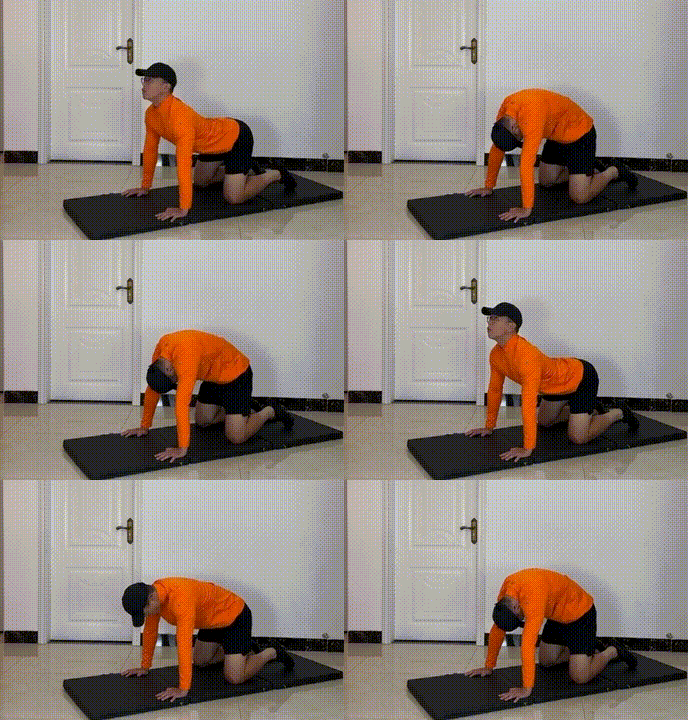
Target muscles: Entire spine, upper back, lower back, core
How to do it:
- Start on your hands and knees in a tabletop position.
- Inhale and arch your back while lifting your chest and tailbone.
- Exhale and round your spine while tucking your chin inward.
- Move slowly with your breathing.
- Duration:45 seconds (1 set)
- Tip: Think of this as preparation, not stretching for speed. The goal is to loosen the spine and wake up the back muscles before training.
2. Supine Back Extension
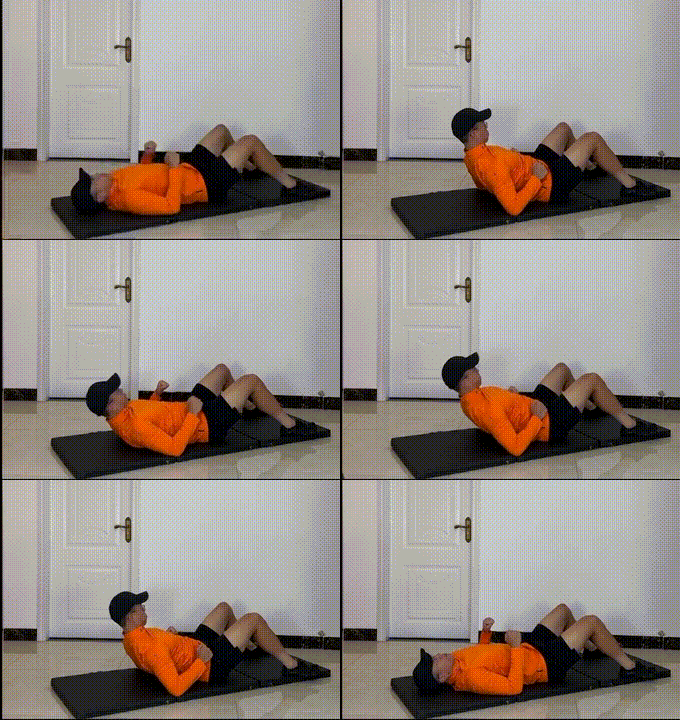
Target muscles: Lower back, spinal erectors
How to do it:
- Lie on your back with knees bent and feet flat on the floor.
- Place your elbows beside your body.
- Lift your upper back slightly off the floor using your elbows, tucking your chin slightly.
- Keep your upper body in a straight line throughout.
- Pause for 2 seconds at the top, then lower under control.
- Reps:3 sets of 12–15
- Try to exhale as you lift your upper body and inhale slowly on the way down.
- Tip:Avoid lifting your chin (it causes neck compensation).
3. Prone Towel Pulldown
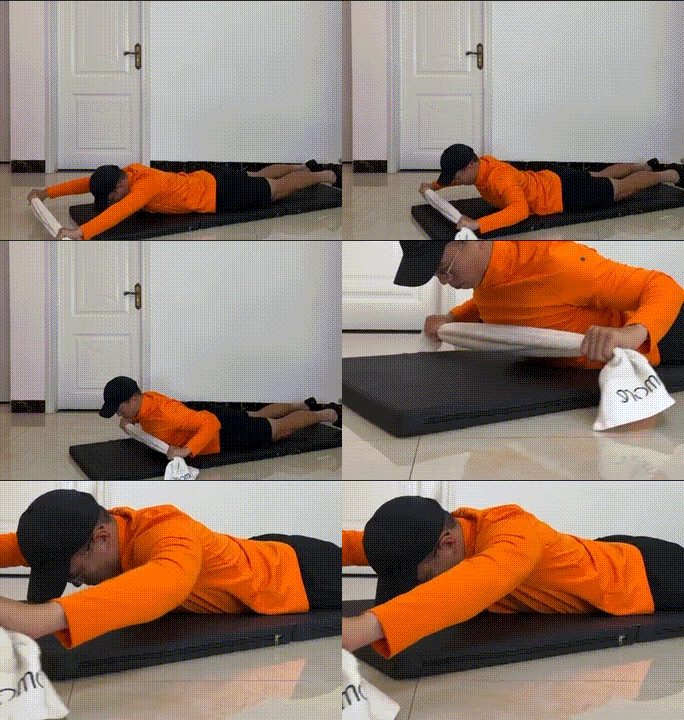
Target muscles: Lats, lower back, rear delts
How to do it:
- Lie face down with arms extended overhead, holding a towel tightly.
- Keep your upper body elevated, hands spread outward, and chin tucked (eyes looking at the floor).
- Pull the towel downward toward your hips.
- Pause for 2 seconds at the bottom, then return slowly.
- Reps:3 sets of 10–12
- Breathe out during the pull, then reset your breathing before the next rep.
- Tip: Keep tension on the towel the entire time. This movement looks simple, but many beginners are surprised by how quickly their upper back starts working.
4. Seated Back Extension
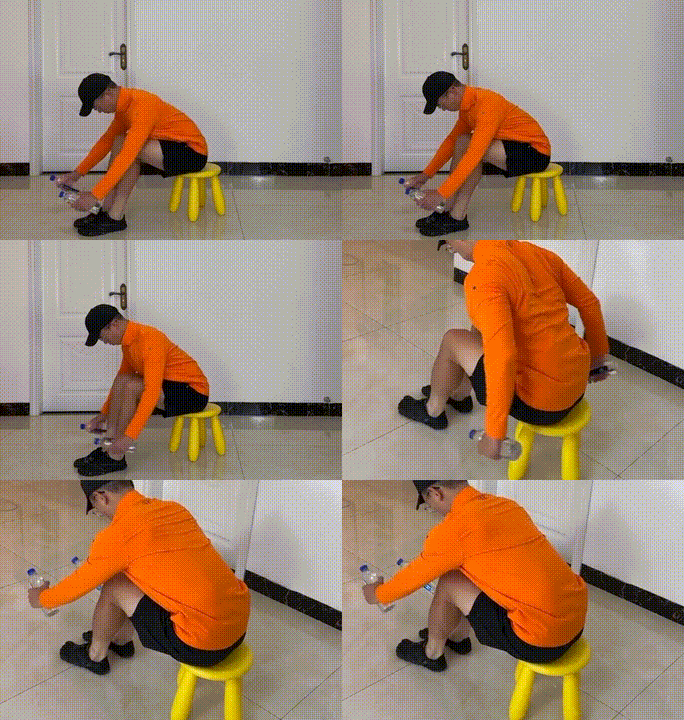
Target muscles: Mid-back, rhomboids
How to do it:
- Sit on a small stool with legs extended forward, holding a water bottle in each hand.
- Hinge forward from the hips, keeping your body in a straight line (don’t overbend your waist).
- Row backward, imagining driving with your elbows.
- Pause for 2 seconds at the top, then return slowly.
- Reps:3 sets of 15
- Don’t rush the movement — controlled breathing usually helps you feel the back muscles working more clearly.
- Tip: Keep your movements slow and controlled. The goal is to strengthen, not overstrain, the lower back
5. Prone 360° Arm Circles
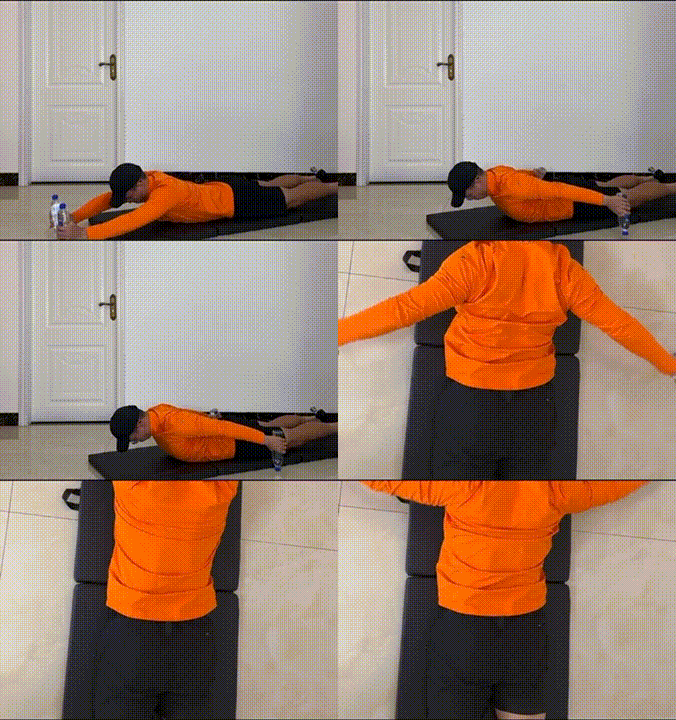
Target muscles: Upper back, rear shoulders, rotator cuff
How to do it:
- Lie face down with arms extended outward in a “T” position, holding a water bottle in each hand.
- Keep your upper body elevated, shoulders depressed (away from your ears), and chin tucked (eyes looking at the floor).
- Make small controlled circles: forward first, then reverse.
- Reps:10 forward + 10 backward circles
- Keep your breathing relaxed and steady throughout the movement.
- Tip: Smaller circles are usually harder — and more effective — than large sloppy ones.
6. Plank Book Openers
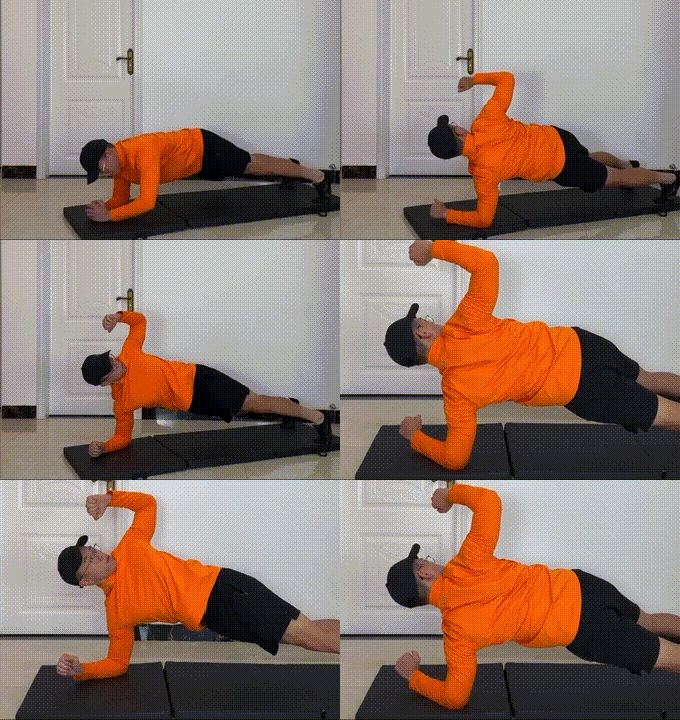
Target muscles: Upper back, core, shoulders
How to do it:
- Start in a high plank position, keeping your body in a straight line (no sagging or hip hiking).
- Open one arm outward while keeping your hips stable.
- Pause for 2 seconds at the top, then return slowly and switch sides.
- Reps:3 sets of 8 per side
- Avoid holding your breath while rotating — steady breathing helps maintain better balance and control.
- Tip: If your hips keep rotating, widen your stance slightly. That usually makes the movement easier to control.
7.Back Stretch
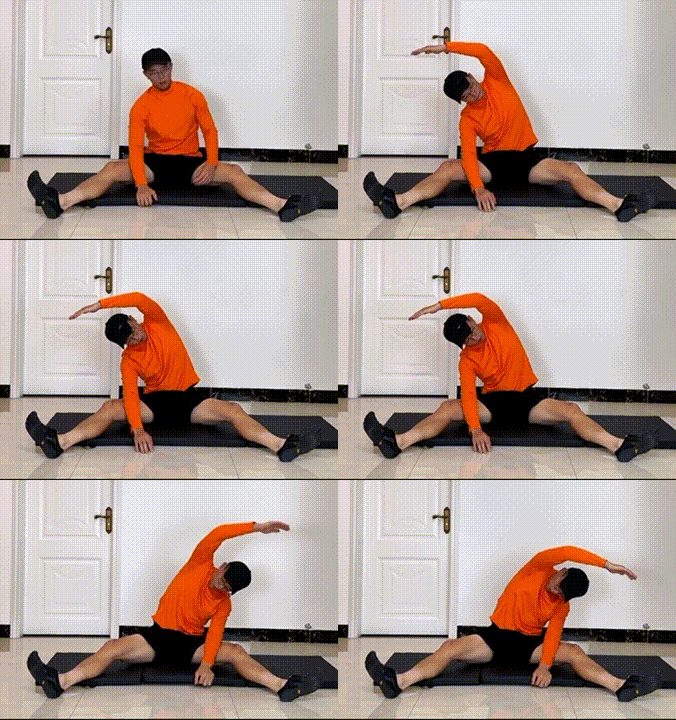
How to do it:
- Sit on the floor with legs spread wide.
- Hinge forward from the hips and reach one arm overhead, stretching the opposite side of your back.
- Hold gently without forcing.
- Hold:30-45 seconds each side
- Slow breathing usually helps your back relax deeper into the stretch without forcing the movement.
- Tip: Do not force the stretch. Go only as far as you feel a gentle pull in your back and legs.
Beginner Back Workout Routine
Here’s a simple way to structure these exercises into a beginner-friendly home workout.
Warm-Up: Cat-Cow Stretch — 10 reps
Main Workout:
- Supine Back Extension — 3 × 12–15
- Prone Towel Pulldown — 3 × 10–12
- Seated Back Extension—3×12 –15
- Prone 360° Arm Circles — 2 rounds
- Plank Book Openers — 3 × 8 each side
Cooldown: Back Stretch— 20–30 seconds each side
Rest around 30–60 seconds between sets. Early on, consistency matters far more than intensity.
Learn more about bodyweight training guidelines from Healthline.
Common Mistakes to Avoid
Even the most well-designed back exercises for beginners can feel ineffective if your form starts breaking down.
Using Momentum Instead of Control: Swinging or rushing removes tension from the muscles you’re trying to train.
Shrugging the Shoulders: A lot of beginners unintentionally shift tension into the neck instead of the upper back.
Not Pausing During Contractions: That brief squeeze at the hardest part of the movement helps improve muscle engagement significantly.
Training Through Sharp Pain: Muscle fatigue is normal. Sharp pain in the spine or shoulders is not.
Forgetting to Breathe: Breathing rhythm helps maintain control and stability throughout the workout.
Final Tips for Better Results
One common mistake with a beginner calisthenics back workout is jumping into advanced exercises too early. Building a stronger back takes patience, especially when learning how to properly control bodyweight movements.
Remember — no gym needed. Consistency at home will always beat occasional gym sessions with no real plan.
A few simple habits can help you progress faster:
- Track your reps and sets each session
- Slow down movements before adding more volume
- Prioritize sleep and recovery
- Eat enough protein to support muscle repair
- Pay attention to posture throughout the day
- Train 2-3 times per week with at least one rest day between sessions
This bodyweight workout is designed to build foundational strength first. Once these exercises start feeling easy, you can move toward more advanced pulling variations and harder calisthenics progressions.
Looking for more no-equipment workouts? Browse our complete No Equipment training section.
Conclusion
You don’t need expensive equipment to start building a stronger back. With a consistent beginner calisthenics back workout at home, you can improve posture, strengthen weak muscles, and develop better body control using simple bodyweight movements.
Don’t worry if the exercises feel awkward at first. Most beginners struggle to really feel their back muscles working in the beginning. That improves with practice, slower reps, and better control over time.
Start with the basics, stay consistent, and focus on quality movement instead of rushing progress. Your strength, posture, and overall body control will improve much faster than you think.
Start your first session today and let us know how it goes in the comments below.
Ready for the next level?
Check out our Advanced Calisthenics Back Exercises guide.